
On Amnesty
Disclosure, Truth, and Justice


Amnesty for What?
In recent months a modest proposal has entered the public discourse surrounding UAP (UFO) disclosure: amnesty.
Members of Congress, government officials, journalists, and disclosure advocates are publicly discussing whether the Executive Branch should grant some form of amnesty to individuals with classified UAP knowledge in exchange for their cooperation.
Commentary has ranged from hopeful optimism — “This will be the crack that finally breaks the dam” — to reactionary opposition: “No justice, no peace.” Clearly, such a wide divergence of opinion calls for a healthy public policy debate.
That debate is no longer abstract. On February 19, 2026, President Trump directed the Secretary of War and other relevant officials to begin releasing government files related to UAP. The Department of War has begun complying through its PURSUE website. The National Archives, however, has received only a limited number of responsive records — and none from the Central Intelligence Agency and the Department of Energy.
Public debate remains stymied by the veil of secrecy surrounding the UAP disclosure policy process. The scope of any proposed amnesty remains unclear, and the identities of those under consideration remain unknown. Most discussion of the plan appears narrowly focused on members of the so-called Legacy Program.
Others propose limiting amnesty to individuals with specific domain knowledge — biological samples, recovered materials, reverse-engineering programs, classified imagery, or contractor custody and disposition of the same — in exchange for the classified information they possess.
“Legacy Program” refers to the constellation of highly classified special access programs that manage the UAP issue on behalf of the United States government. The term “Legacy” refers not only to the age of these programs, but more importantly to their intergenerational structure: a system of secrecy preserved across decades by trusted families, private enterprises, government billets, and cleared personnel who inherit access, authority, and control.
The most expansive proposals call for a temporary amnesty window open to anyone with official knowledge of UAP, NHI, technologies of unknown origin (TUO), or the mechanisms used to keep these subjects beyond lawful oversight.
Yet all of these proposals avoid the obvious question: amnesty for what?
What, exactly, are the American people being asked to forgive? The early emergence of a well-organized yet carefully nonspecific campaign for amnesty within the UAP disclosure community strongly suggests that serious wrongdoing has occurred.
Why else spend years investing time, influence, and political capital in making the case? Why else produce a major Hollywood documentary designed, at least in part, to condition the public to accept amnesty before being told what, exactly, must be forgiven?
The American people are no closer to knowing what crimes they are being asked to forgive in exchange for knowledge that, as citizens, is already theirs by birthright. Even further from disclosure is the question of why those crimes were committed in the first place.
Put succinctly, the American people are being asked to forgive everything — in exchange for what was theirs all along — for reasons they are not permitted to know.
Disclosure should not depend on backroom deals with the guilty. Leaders should first open the door to those already willing to tell the truth. That requires three distinct but complementary policy tools: release from secrecy obligations, immunity from retaliatory prosecution, and conditional amnesty for past crimes.
Crimes Against Humanity
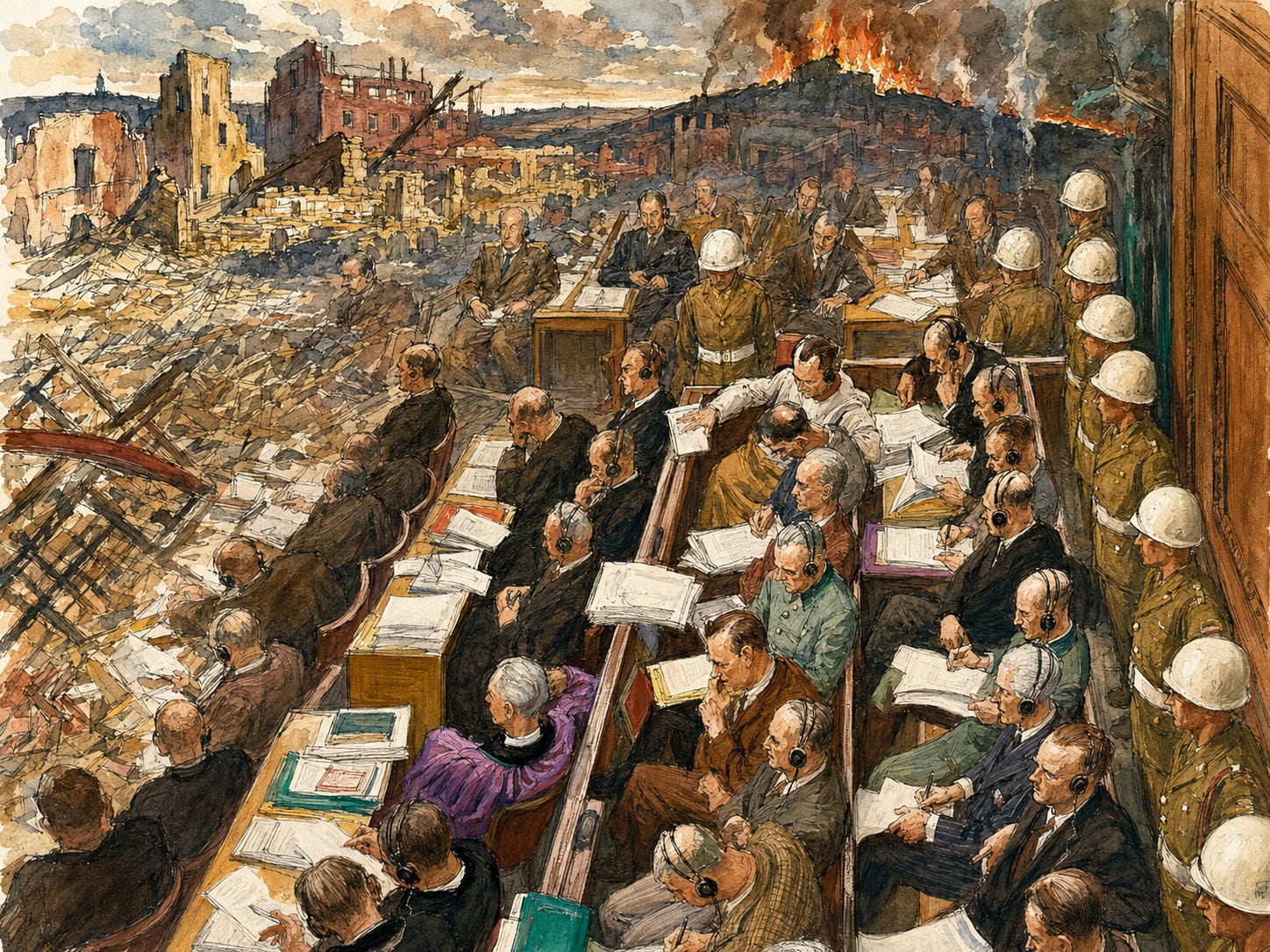
In a debate thus far lacking specifics, let us now add some. The crimes committed under the authority of the Legacy Program include:
Subversion of the constitutional rule of law and the implementation of secret laws, secret courts, secret orders, and secret police
Conspiracy to undermine the sovereignty of the United States Government and its peoples
The aiding and abetting of foreign powers
The ratification and implementation of treaties and international agreements without congressional authorization
Violating the sovereignty of Tribal lands and peoples
Creating state-sponsored monopolies and other actions incompatible with a free market
The suppression of free speech
The suppression of free scientific, historical, and public inquiry
The use of intelligence tradecraft to destroy marriages, families, and businesses
Home invasions intended to gaslight and terrify
The use of less-than-lethal weapons, including directed energy weapons, against American citizens
Human experimentation, including behavioral and genetic experimentation
Kidnappings, forced disappearances, and murders
This list is not exhaustive and will inevitably grow as additional information comes to light. The scale of the crimes committed against the American people is so vast, so grievous, and so fundamentally incompatible with the principles of a free and independent nation that the reality itself beggars belief.
Given the gravity of these charges, the American people deserve full transparency regarding the precise terms of any proposed amnesty — and a meaningful voice in deciding whether it should be granted. Will we, as a nation, accept the familiar defense of “I was just following orders” in exchange for paltry scientific data or exotic technologies that rightfully belong to the American people? This author says no.
Release, Immunity, and Amnesty
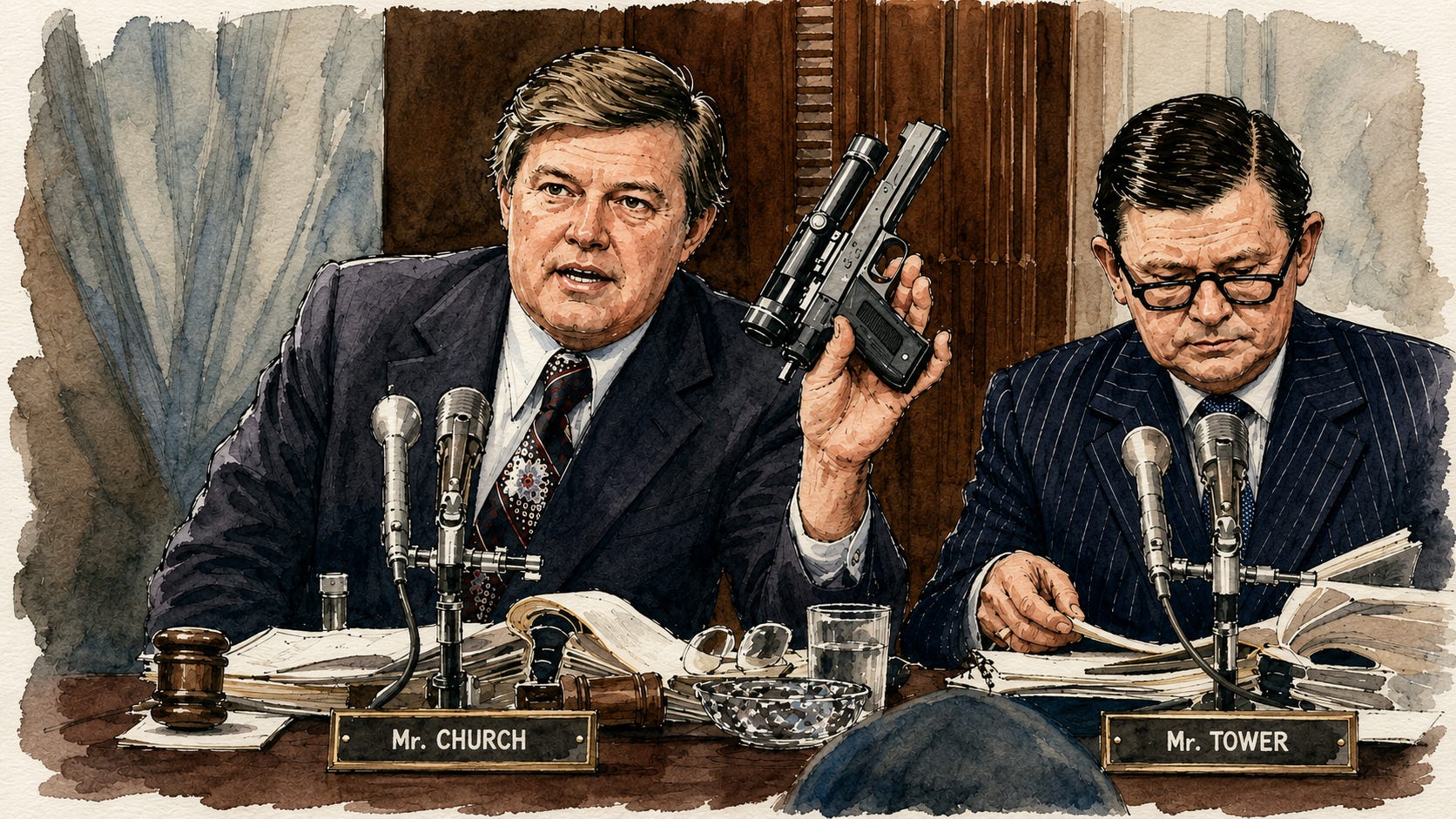
A wise man once said that “words are weapons,” and prudence therefore requires that we understand the terms we use. Amnesty derives from the Greek and has come to signify forgetfulness, the passing over of offenses, or a pardon for past wrongdoing. Thus, amnesty is not granted where no wrongdoing has occurred.
Rather, amnesty reflects a political calculus that revealing truth, keeping the peace, and preserving national unity are more important than pursuing punishment. Amnesty, therefore, is inherently a bargain for absolution in exchange for compliance.
Are the American people prepared to make that bargain? Are they prepared to accept that the crimes disclosed here, and many more, will go unpunished and possibly even unacknowledged in exchange for official UAP disclosure?
Furthermore, are there even assurances that such a disclosure would take place? Recent American history is rife with rug pulls. It would be wise to clearly, publicly, and expeditiously state the justification for this amnesty deal, before the bargain is made on behalf of an unwitting American public.
This is where the public debate has been both too vague and too narrow. “Amnesty” is being used as a catchall for several distinct policy tools necessary to achieve lawful disclosure. But amnesty for past conduct, immunity from prosecution, and release from secrecy obligations are not the same.
The distinction is not academic. The President’s pardon power is broad, but it is not a master key. Article II gives the President authority to grant reprieves and pardons for offenses against the United States, except in cases of impeachment.
A pardon does not, by itself, release a witness from classification rules, non-disclosure agreements, contractual restraints, private retaliation, civil liability, professional blacklisting, or institutional persecution. Amnesty may pardon a crime, but it does not automatically free the truth.
Serious crimes were committed in the course of the Legacy Program. Because many participants now face a dangerous and often inherited predicament, amnesty may be necessary before they will be willing to risk identifying programs, locations, records, personnel, assets, or command structures. The situation is not ideal, but it is the reality.
Others who committed no crimes may still require immunity from retaliatory prosecution and protection from other forms of reprisal. Existing UAP whistleblowers may need no amnesty at all — only immunity and relief from the secrecy obligations that prevent them from speaking freely to Congress and the public.
These tools should be properly sequenced. First, release lawful witnesses and whistleblowers from relevant secrecy obligations. Second, grant immunity to those who provide truthful testimony and have not committed serious crimes. Finally, offer conditional amnesty where necessary, to secure the cooperation required to dismantle the unconstitutional system recipients helped sustain.
The sequence matters for three reasons: those already cooperating can begin providing information immediately; candor must be demonstrated before amnesty is offered, lest it create perverse incentives; and the intelligence obtained from cooperative witnesses will strengthen the government’s position in negotiations with recalcitrant insiders.
Those who speak the truth should be protected and heard first. Anything less rewards the silence of the guilty while punishing the courage of the honest.
The First Wave of UAP Witnesses and Whistleblowers
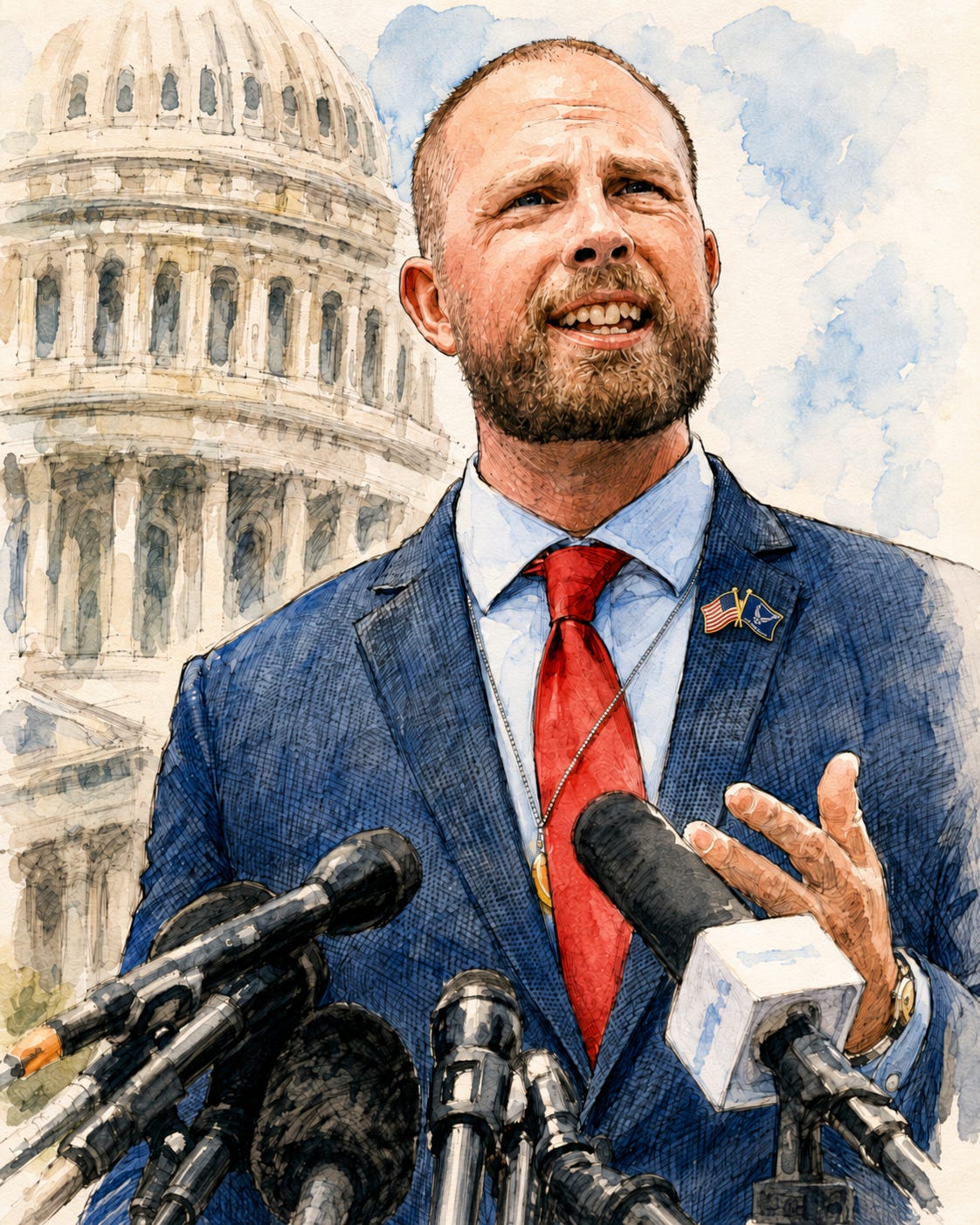
As of this writing, the first wave of UAP witnesses and whistleblowers have not been included in any proposal for release, immunity, or amnesty: David Grusch, Dylan Borland, Jeff Nuccetelli, Alexandro Wiggins, Lue Elizondo, Timothy Gallaudet, David Fravor, Ryan Graves, Matthew Brown, and others still hidden.
These men did not need amnesty to come forward. They did not ask for a deal. They came forward lawfully through the channels available to them. In doing so, they fulfilled their obligations to the Constitution and the American people. And these are only the names known publicly.
Men and women have risked everything to come forward confidentially to Congress with relevant information about the U.S. government’s UAP programs, including multiple members of the Legacy Program itself. That last fact matters: the premise that Congress still needs Legacy Program whistleblowers is false. Congress already had them.
These individuals — and many others — possess extensive knowledge of UAP, NHI, TUO, and related crimes. Although constrained by classification, NDAs, and the very real threat of retaliation, the first wave of UAP witnesses and whistleblowers already possess enough information to end the cover-up permanently.
Why have they not been permitted to present their full testimony to the public? Why have they not been released from the secrecy obligations that prevent them from speaking freely? Why recklessly ask more innocent people to put their lives on the line when Congress already possesses the information, witnesses, and whistleblowers necessary to end the cover-up?
The problem is not that no one has come forward. The problem is that those who did were left exposed. They were not protected. They were not vindicated. They were not permitted to speak freely. Their sacrifices produced no reform. Brave men and women remain in limbo — fearful for their lives and livelihoods, still waiting for justice.
It is no surprise that so few are now willing to speak with Congress, even in private, let alone in public. Existing whistleblower protections are wholly inadequate to the task before us: ending nearly eight decades of unconstitutional secrecy and suppression without shattering the Republic.
If amnesty is necessary to break the dam, then so be it. But pursuing it before leveraging the full testimony and evidence offered by the first wave of UAP witnesses and whistleblowers would reflect poorly on our national leadership and show deep disrespect for the brave Americans who answered Congress’s call nearly five years ago.
The American people have many warriors ready to speak truth, if only the President and Congress would let them.
Presidents and Precedents
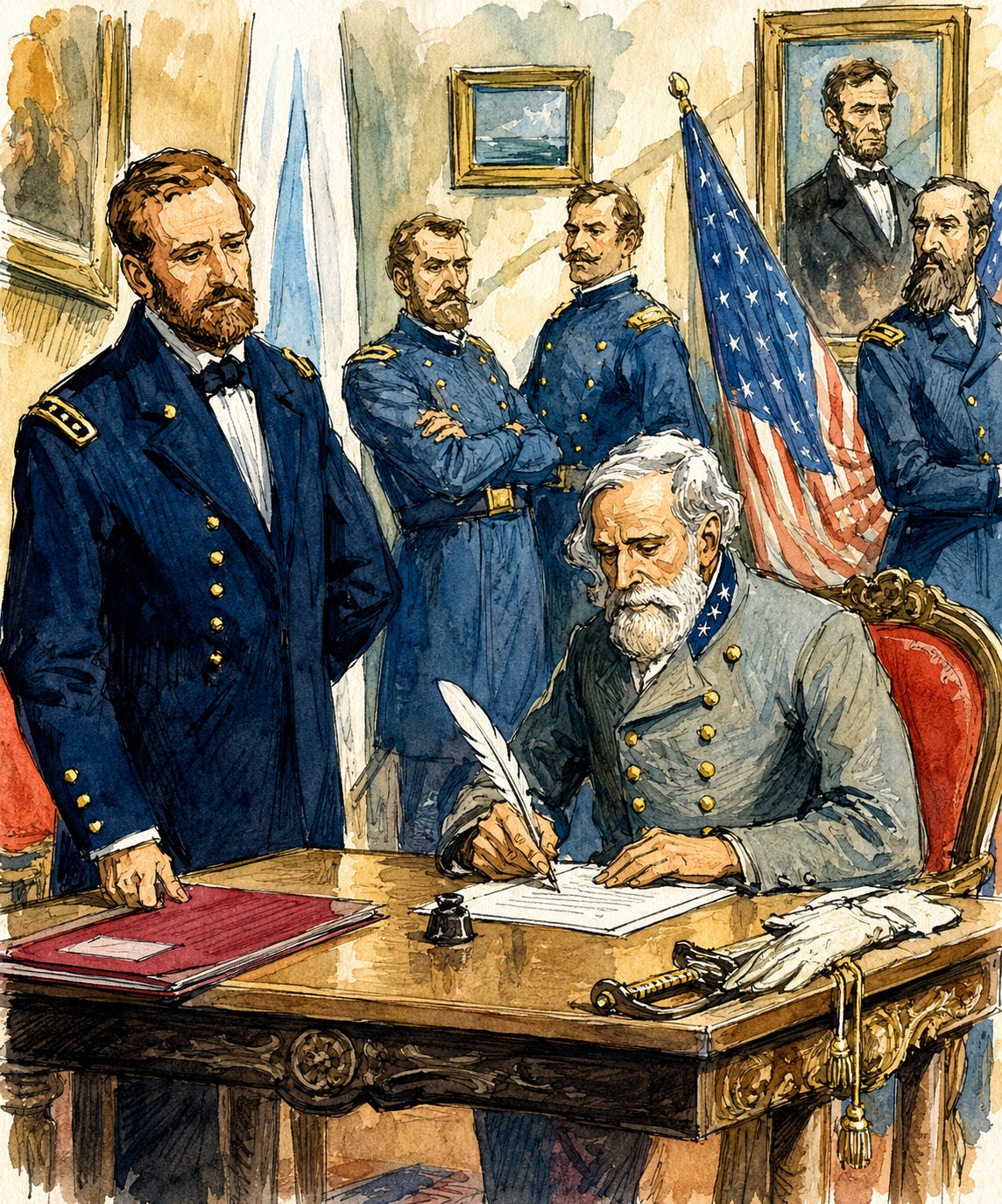
The scale of the UAP disclosure challenge — and the urgent need to advance from disclosure into affirmation and adaptation —necessitate some form of amnesty. Fortunately, American history offers valuable lessons from presidents who employed similar policy tools when confronting existential domestic crises.
President Washington issued the first general pardon in American history to resolve the Whiskey Rebellion, the nation’s first tax revolt. His 1795 proclamation pardoned participants in the rebellion while excluding those who refused to submit or violated their assurances of submission. It remains a clear precedent for using conditional amnesty to shepherd wayward citizens back into the fold without prejudice.
President Lincoln, confronted with a far graver insurrection, issued his Proclamation of Amnesty and Reconstruction to hasten the end of the Civil War. His lenient policy allowed Confederate states to rejoin the Union upon taking a new oath of loyalty to the Constitution and accepting the emancipation of slaves. Notably, it excluded high-ranking Confederate officials and those who had mistreated prisoners of war.
President Carter, in the aftermath of the Vietnam War, issued a blanket pardon to hundreds of thousands of men who had evaded the draft during that deeply unpopular conflict. Although nearly as controversial as the war itself, the pardon reunited thousands of American families. His example illustrates these same principles in a modern context, and tacitly affirmed the moral standing of those who had dissented.
None of these precedents maps perfectly onto the UAP problem. They do not need to. The lesson is that Presidents have used amnesty and pardon powers to resolve national crises when strict punishment would deepen the wound rather than heal it.
These precedents also highlight the limits of relying on amnesty alone. Washington, Lincoln, and Carter dealt with offenses already visible to the public. The UAP problem is different: the truth remains concealed behind classification, secrecy agreements, program protection strategies, public disbelief, and deeply rooted institutional fear.
Amnesty may help bring criminal participants forward, but it cannot, by itself, free lawful witnesses or victims to speak. That requires release from secrecy obligations, immunity from retaliatory prosecution, and other meaningful protections.
What Comes Next?
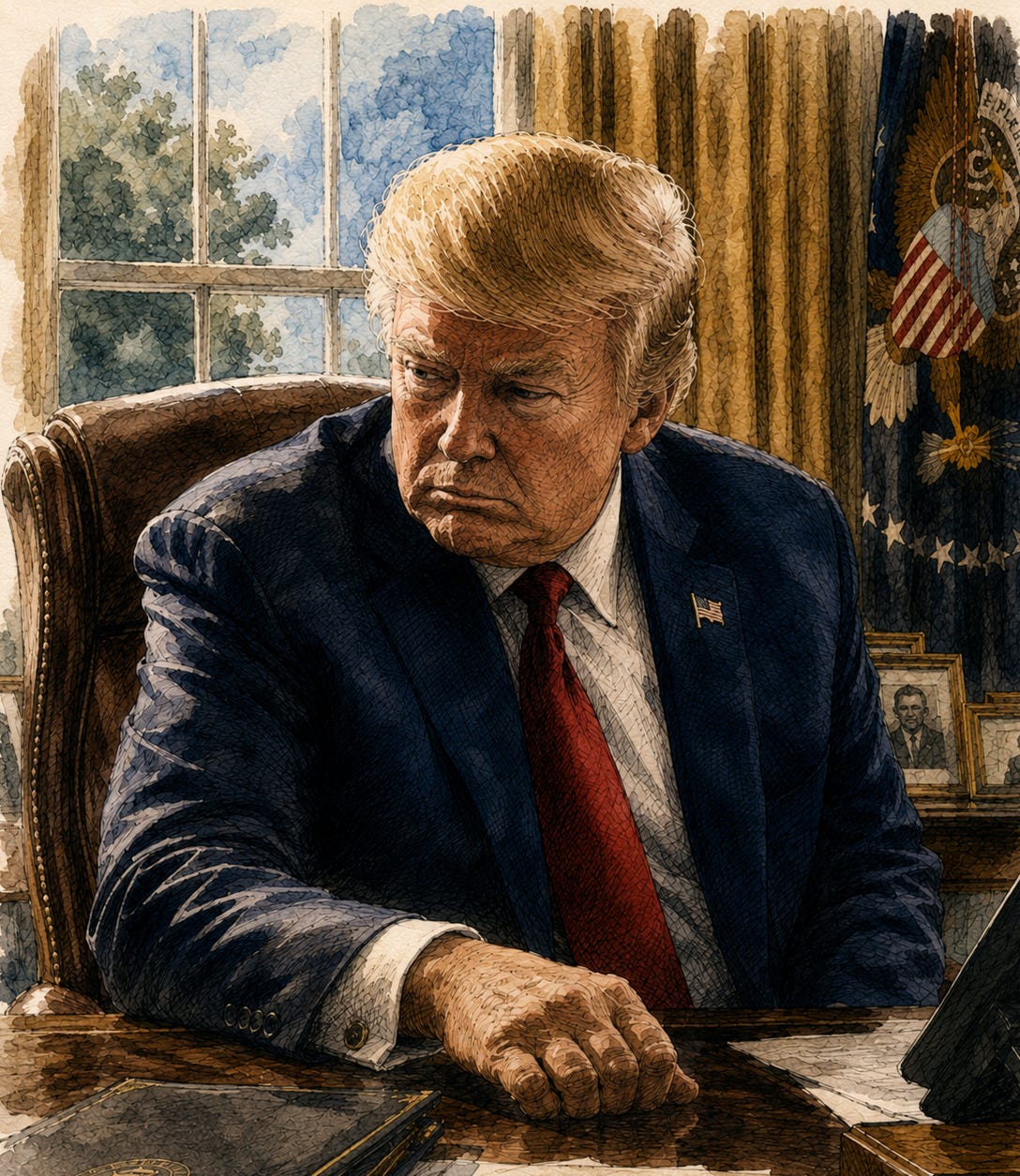
Should President Trump adopt a policy combining release from secrecy obligations, immunity, and conditional amnesty, he would stand on solid historical precedent. By confronting the crisis he inherited, he could become the president who moved the nation beyond secrecy and fear into affirmation and adaptation.
The effort should begin by protecting good-faith witnesses, prospective whistleblowers, government employees, and private-sector personnel with official knowledge of UAP programs who did not themselves engage in immoral conduct. This would free them to speak, preserve evidence, and distinguish those who inherited the secret from those who committed crimes.
Those same protections should extend to the witnesses and whistleblowers who came forward before any deal was offered. They should not be treated as pariahs. They are patriots who fulfilled their constitutional duty and were left exposed for doing so. They deserve release from secrecy obligations, protection from retaliatory prosecution, and restitution.
Finally, conditional amnesty should be offered to those who participated in unlawful or immoral Legacy Program activities under secret orders, government policy, or private implementation. But it should not be indiscriminate; some crimes must remain unpardonable.
To be clear, no blanket pardon should extend to anyone who ordered, directed, or participated in harmful or lethal operations against American citizens; lied to Congress; destroyed records; misappropriated funds; obstructed oversight; or profited from illegal Legacy Program activities in government or private industry.
These offenses should be evaluated publicly, on a case-by-case basis, with the value of potentially irrecoverable knowledge, records, assets, and testimony weighed against the demands of individual and national justice. Mercy and clemency can be noble acts — but not when secured through deception.
Any lawful disclosure framework should also be time-bound and built for speed. The consequences of official UAP disclosure will be difficult enough; they should not be compounded by delay, prolonged bargaining, or piecemeal inducements offered to insiders in exchange for knowledge or assets that were never rightfully theirs to withhold.
Additionally, the framework should reach back at least to 1945 - though 1933 or even earlier may be justified. The precise date matters less than the governing principle: it should encompass the full architecture of UAP secrecy, not merely the most convenient portions selected for an anemic program of controlled disclosure.
By contrast, the window for participation should be firm: nine months would be reasonable; nine weeks would be better. It should provide sufficient time to prepare lawful disclosures without becoming another instrument of delay or an opportunity to bargain for more favorable terms.
Those terms should be simple: come forward, tell the truth, cooperate fully with Congress and the Executive, and identify every program, location, operation, contractor, record, official, asset, technology, command structure, and funding mechanism connected to the Legacy Program and its successors.
In return, participants would receive protection from retaliation, release from relevant secrecy obligations, immunity from retaliatory prosecution, and conditional amnesty where warranted.
Conclusion: A Three-Part Framework for UAP Transparency
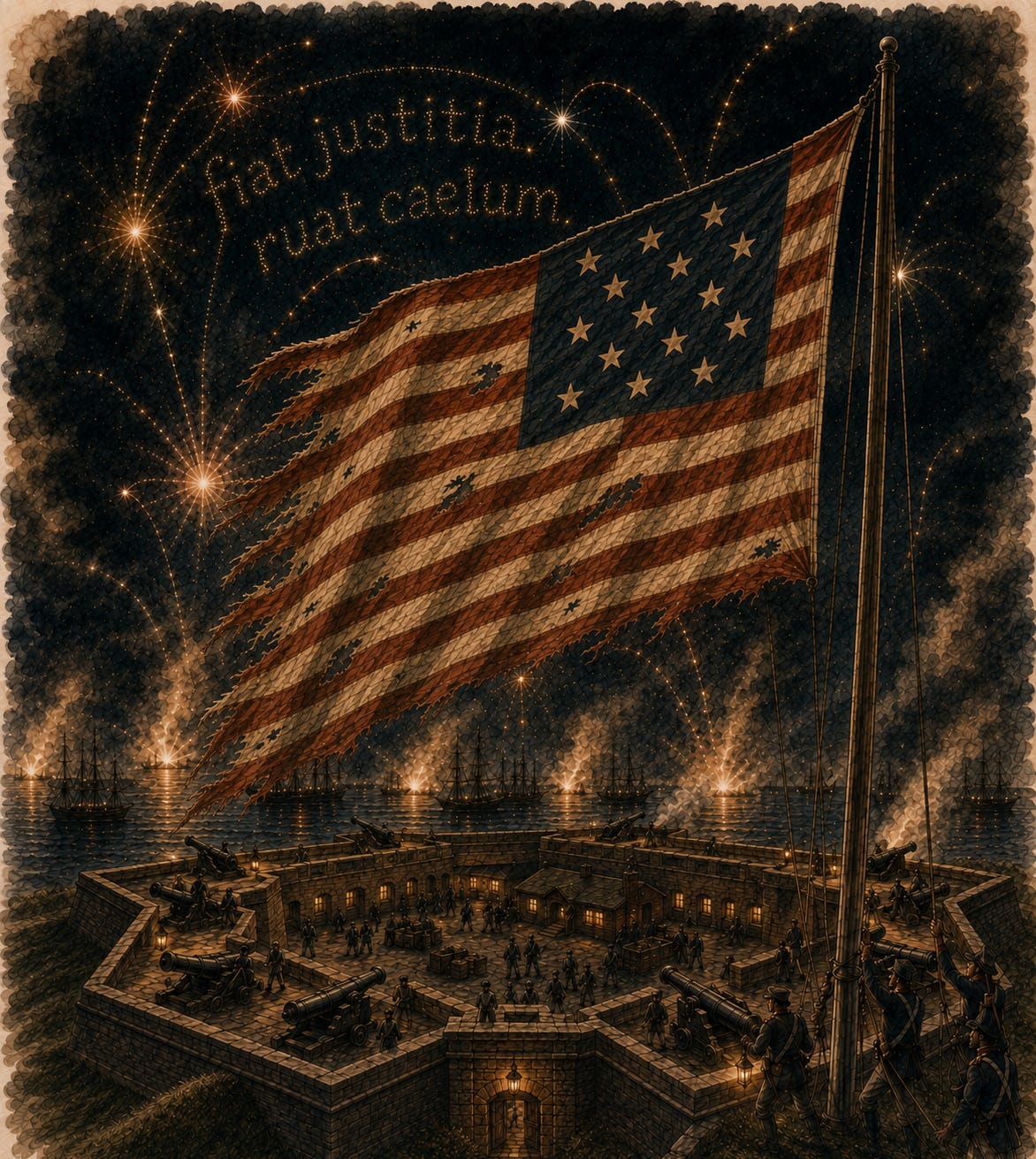
Our constitutional crisis demands action, not endless negotiation. Every limitation, exception, procedure, and eligibility rule cannot be settled in advance. Those details matter, but they have become pretexts for delay. Our priority is to move official UAP disclosure into its next stages: affirmation and adaptation.
Doing so requires three distinct policy tools, each serving a different purpose. Together, they offer a survivable path forward:
Release from Secrecy Obligations: Release crosses the threshold of disclosure by freeing witnesses and whistleblowers from restrictions that prevent them from speaking lawfully and candidly. A presidential waiver is the clearest mechanism; failing that, every lawful avenue should be pursued at speed.
Immunity from Prosecution: Immunity protects individuals from prosecution in exchange for truthful testimony, evidence, and full cooperation with lawful authorities. It is essential for whistleblowers vulnerable to retaliatory prosecution and may be necessary for some participants in the cover-up.
Amnesty for Crimes: Amnesty uses the President’s pardon power to forgive certain offenses, secure the truth, preserve national unity, and bring an unlawful system to an end. It applies to those who broke the law while implementing the Legacy Program and related efforts.
These tools are not mutually exclusive, nor is any one dependent on the others. Some witnesses may need only release from secrecy obligations; others may require immunity or conditional amnesty before they can testify and produce evidence. The circumstances will vary. The national interest will not.
The path forward should be broad in scope, time-bound, and properly sequenced. It should protect those who came forward first, compel those who remain silent to tell the truth, and balance mercy with justice. Above all, it must allow those with knowledge of UAP, NHI, TUO, and the crimes committed in their shadow to speak lawfully, candidly, and without fear.
The American people are done asking nicely. They are demanding the truth long denied them, a government that respects them, and the constitutional rule of law that is their birthright.
Without truth, there can be no reconciliation. Without accountability, there can be no trust. And without justice — even imperfect justice — there can be no lasting peace between the American people and the institutions built to serve them.
This is so important. I re-stacked it, and I'm going to do as much as I can to get the word out. This is the most articulate discussion of what needs to happen next that I have ever read. It also makes it very clear that Congress has failed in some fundamental ways. It has failed the whistleblowers and it has failed the general public by basically continuing to conceal the truth, even though it is itself in possession of it now.
The Congresspeople who are involved in this need to face this reality. They are doing the same thing that has been done by the legacy group and the executive branch from the beginning. It's time for that to end. They need to open the door completely to what they know. It's on their plate right now. They have to do this, and then we move on down the road.
I really like what you wrote, congratulations! 👍👍👍